




Modern Nicotine: What Everyone Needs to Know
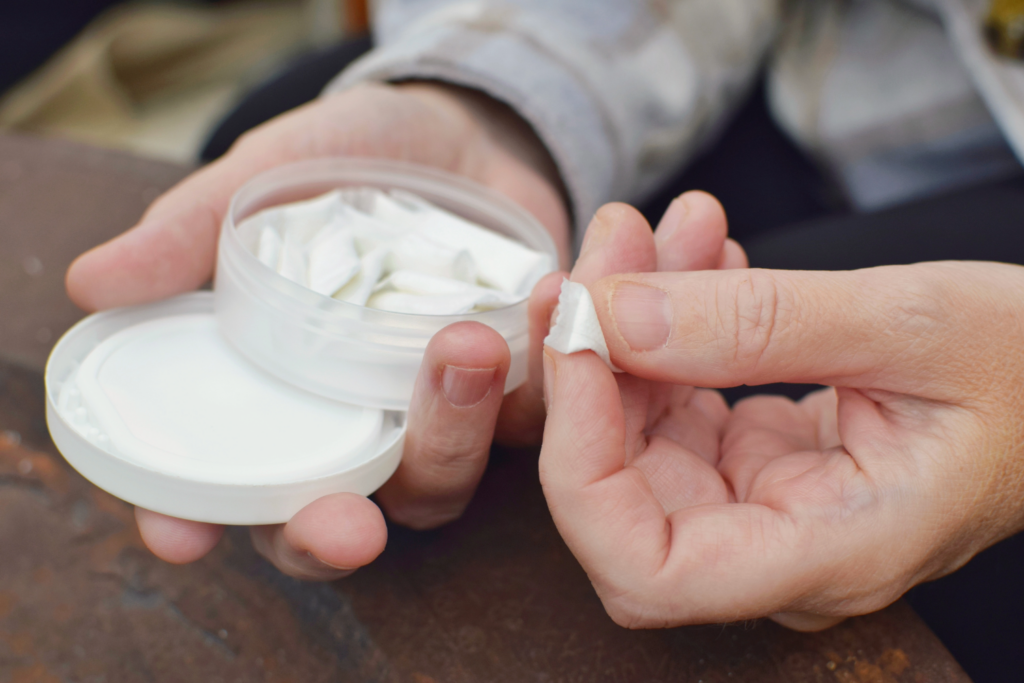
It is the year 2026, and most people know that cigarettes are detrimental to health. However, there is still a nicotine addiction epidemic affecting adolescents and adults around the globe. Modern nicotine, such as vape pens (Juuls) and oral nicotine pouches (Zyns), are often perceived as the “safer” option for cigarettes, but the physical, mental, emotional and social side effects are just as severe.
How Nicotine Has Evolved
Nicotine consumption can be traced back thousands of years to its use by Indigenous tribes. Since then, the highly addicting substance has taken many forms to adjust to the modern-day consumer. The e-cigarette transitioned into the vape, a tool originally created and marketed as a stepping stone off of cigarettes. It is safe to say that modern forms are not solely used for this purpose.
“The packages themselves are enticing,” Joe Drew, psychiatric mental health nurse practitioner at Vail Health Behavioral Health, says. “Kids are drawn to it. There is a natural curiosity, and that is why there is a lot of experimentation in the adolescent years. When the experimentation turns into a habit, that’s where there is physical damage and it comes at a cost.”
Drew specializes in addiction and general psychiatry. He says that it is normal for adolescents to feel immortal, and if you tell a teenager not to do something, he or she will want to do it more. This is not unique to just nicotine use. The human frontal lobe, the decision-making and reasoning part of the brain, is not fully developed until age 25. As an effect, many young adults experiment and inevitably develop a nicotine addiction. Statistically speaking, if a person makes it to 25 without an addiction, there is very small chance he or she will develop one. In most cases, adults regularly use nicotine because they began before they turned 25.
Modern day nicotine has gained a reputation as a “healthier” alternative to cigarettes. This is largely because many vapes and nicotine pouches do not contain tobacco and do not require burning the product. As a result, they produce aerosols instead of traditional cigarette smoke, reducing secondhand smoke associated with cigarettes and air pollution.
“A cigarette looks unhealthy and vapes are perceived to be healthier because you can’t see the nicotine and substances in the products’ delivery,” Caroline Whalen, physician assistant at Vail Health, explains.
She adds that there is still a lot we do not know about modern nicotine’s lasting impacts. These products are synthetic and do not always have an odor, so people can be more discreet. There are still vast amounts of carcinogens, heated plastics, lead, formaldehyde, copper, and likely more detrimental chemicals that have yet to be discovered.
What Makes Nicotine Addicting?
Nicotine is stimulating and rapidly absorbed into the bloodstream, creating a dopamine response that elicits significant feelings of pleasure. The human brain treats nicotine like a reward, called the “dopamine dump.” Feeling alert, focused, hyperaware and relaxed are addicting. Vasoconstriction to blood vessels and arteries causes blood to not adequately enter the heart and brain.
“The chemical response is real, which is why it is super hard to quit,” Drew says.
Nicotine Health Risks
Nicotine dependence comes with risks.
“When you get that pleasurable feeling through nicotine, then you are likely not going to get as much pleasure from good relationships, diet and exercise,” Whalen says. “Then you are limiting yourself because you are limiting yourself from the things that give you pleasure organically.”
As a result, it is much more difficult to have a healthy lifestyle, make optimal health choices and have a fruitful mental well-being. We live in a glorious mountain playground with endless ways to be active and produce dopamine naturally. Addiction limits the human body’s ability to recover and push hard athletically.
Further health risks associated with nicotine use include:
- Increased heart rate and blood pressure
- Higher risk of cardiovascular disease
- Anxiety and heightened stress levels
- Lung and respiratory complications
- Disrupted sleep
- Decreased blood circulation and oxygen delivery
- Irritability
- Oral health
- Increased inflammation
- Increased life and health insurance premiums
Quitting Nicotine Strategies
It is important not to judge someone who is addicted.
“You do not know the situation they got into to get that dopamine reaction and then get addicted,” Whalen shares.
Quitting nicotine means removing the stimulation and replacing it with chemical withdrawal. The dopamine dump is replaced by interim nausea, anxiety, depression, headaches and more. Choosing to quit is a big step, and staying committed is even more difficult. The higher the dose a person routinely consumes, when he or she decides to quit, the more severe the side effects.
“Person A and Person B may have their own reasons for not quitting because their reasons are as different as humanity,” Drew says. “If it was easy, people would.”
Fill the time that was spent consuming nicotine with habits that benefit the body. For example, every time there is temptation, do any of the following:
- 10 pushups
- 10 jumping jacks
- Take a walk around the block
- Write a page in a journal
- Take three deep breaths outside
- Read a page in your book
The time that used to be spent with nicotine can now be spent accomplishing a goal and, or nourishing relationships with loved ones and yourself.
Whalen does not recommend alternative nicotine products because they often just replace the dependency or oral fixation rather than addressing the underlying root or adding health and vitality to the body.
Give Grace
It takes approximately 90 days to form a consistent, new habit. It is important to give grace and practice patience during the recovery process.
Vail Health is here for you or anyone you care about struggling with addiction. Vail Health Behavioral Health has many mental health professionals, like Drew, ready to work alongside you. They will guide you through talk therapy and, if applicable, chat with you about medication options such as Wellbutrin (Bupropion), a dopamine agonist. Vail Health providers, like Whalen, are also available to help you through withdrawal.
Colorado also has the Colorado QuitLine, available 24/7, a free state-sponsored line to help you quit for good.
To get started, here are strategies and words of support to get you started:
- Pick a quit date and stick to it.
- Find a friend to quit with you.
- Hold yourself accountable by telling people you care about that you are quitting.
- Feel confident in saying “no” when offered nicotine. If someone is really your friend, they won’t pressure you.
- Ask for help and use your resources at Vail Health.
- Change is hard, but possible.